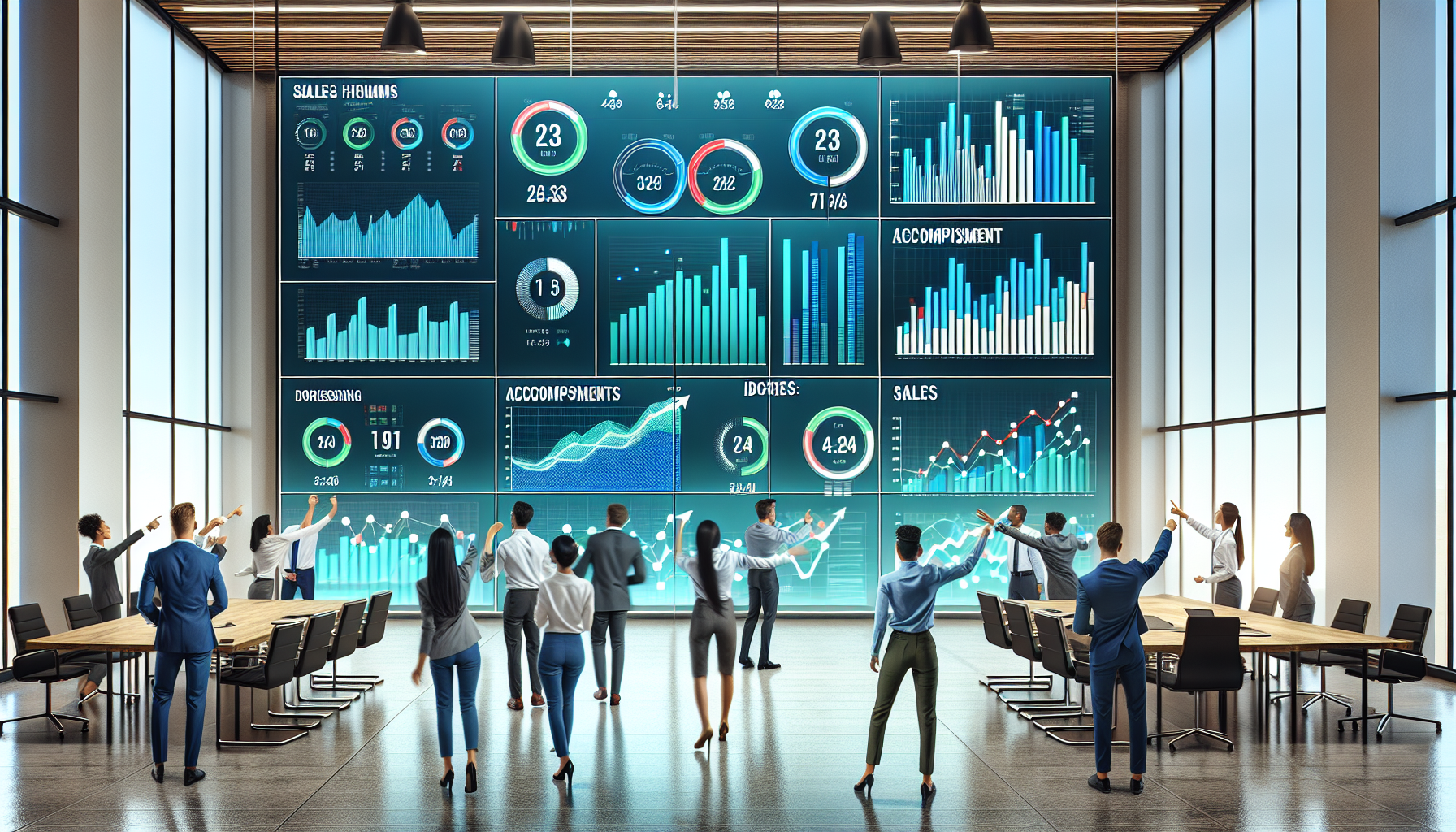
Gamification Strategies to Motivate Your Distributor Sales Team
Top distributors are using gamification—leaderboards, celebrations, and friendly competition—to boost sales motivation and hit targets consistently.
Why Traditional Sales Motivation Falls Flat
Let's be honest: the quarterly bonus and annual sales kickoff aren't enough to keep your team motivated 250+ selling days per year. Distributors face a unique challenge—selling commodity products in a relationship-driven business requires sustained energy and focus.
That's where gamification comes in.
What Is Sales Gamification?
 Modern gamification dashboard showing sales progress indicators and achievement tracking interface
Sales gamification applies game-design principles to the sales process:
- Leaderboards that rank performance
- Celebrations for hitting milestones
- Competitions between reps or teams
- Visual progress indicators toward goals
- Recognition for achievements big and small
It's not about making work trivial—it's about tapping into the same psychological drivers that make games engaging.
The Psychology Behind Gamification
 Abstract neural network visualization representing the psychological drivers behind gamification motivation
Research shows that gamification works because it triggers fundamental human motivators:
Progress Motivation
We're wired to want to complete things. When a rep sees they're at 78% of their daily target, they're motivated to close that gap. The Zeigarnik Effect tells us that incomplete tasks stay in our memory, driving us to finish them.
Social Comparison
Healthy competition drives performance. Seeing a peer at 120% of target makes reps push harder—not out of jealousy, but out of a desire to prove their own capability.
Immediate Feedback
Annual reviews are too far removed from daily actions to change behavior. Real-time recognition ("Congratulations! You just hit your weekly target!") reinforces positive actions immediately.
Effective Gamification Strategies for Distributors
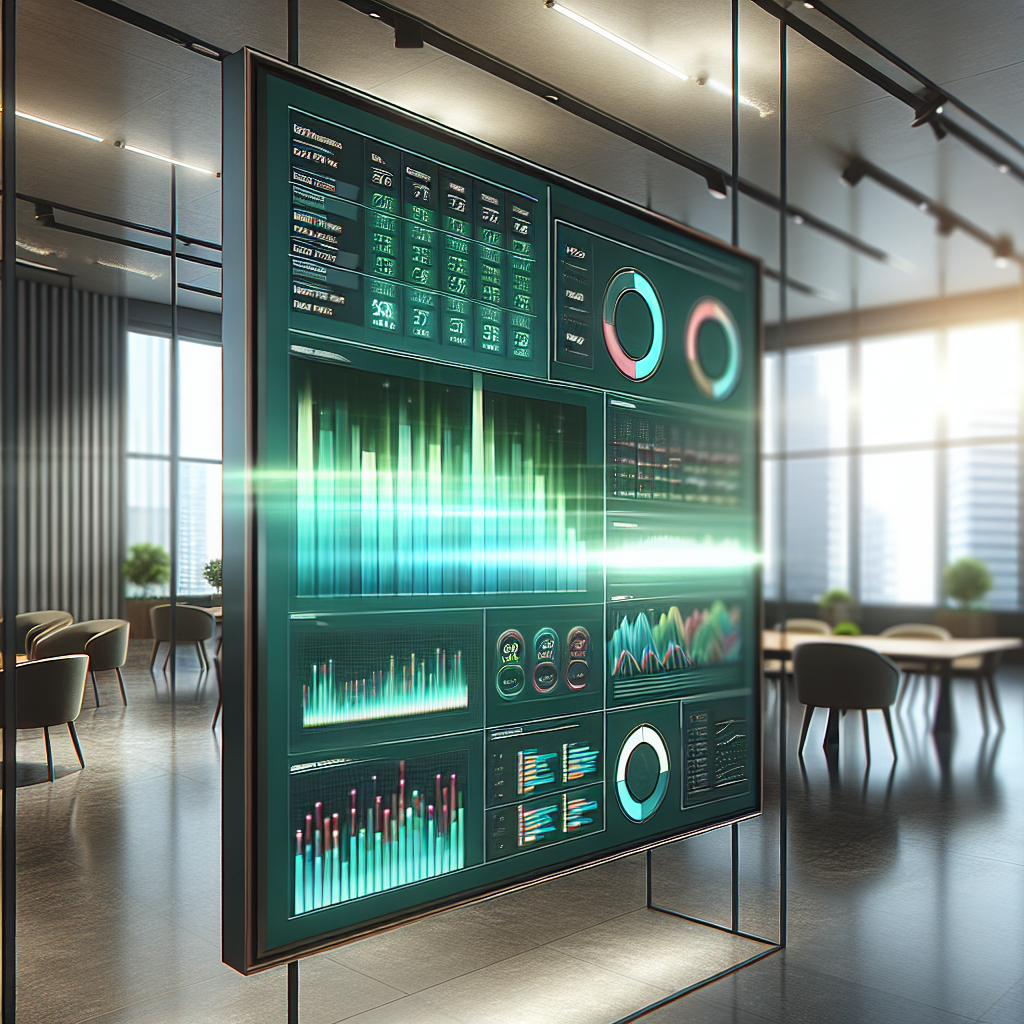 Real-time digital sales leaderboard display showing team rankings and performance metrics in modern office
1. Real-Time Leaderboards
Display daily and weekly leaderboards prominently—on a TV in the sales area, on the dashboard everyone checks each morning.
Best practices:
- Show multiple metrics (bookings, calls, new accounts)
- Reset frequently (daily or weekly) to give everyone a fresh start
- Highlight improvements, not just top performers
2. Milestone Celebrations
Celebrate when reps hit targets with automated recognition:
- Visual confetti or animations when daily goals are reached
- Sound effects for big wins (configurable by preference)
- Automated shout-outs in team chat
A Harvard Business Review study found that recognition is the most important driver of great work—more than compensation or benefits.
3. Team vs. Team Competitions
Create healthy competition between branches, territories, or randomly assigned teams:
- Monthly competitions with meaningful prizes
- Running totals visible to all participants
- Celebrations for winning teams
Pro tip: Pair high performers with developing reps for mentorship-driven competitions.
4. Streak Tracking
Highlight consecutive days hitting targets:
- "15-day streak of meeting daily goals!"
- Recognize longest active streaks
- Create streak-based incentives
Streaks tap into loss aversion—nobody wants to break a long streak.
5. Tiered Achievement Badges
Create levels of achievement that reps can work toward:
- Bronze, Silver, Gold tiers for different metrics
- Special recognition for "Triple Crown" (hitting multiple metrics)
- Annual awards based on accumulated achievements
Implementation Tips
Start Small
Don't overwhelm your team with too many gamification elements. Start with a single leaderboard and build from there.
Make It Visible
Gamification only works if people can see it. TV displays in common areas, mobile notifications, and dashboard widgets all increase engagement.
Balance Competition and Collaboration
Pure competition can become toxic. Balance individual leaderboards with team goals that encourage helping each other.
Celebrate Progress, Not Just Winners
Not everyone can be #1, but everyone can improve. Recognize personal bests, improvement trends, and effort—not just top-line results.
Keep It Fresh
Rotate competitions, introduce special challenges, and vary the metrics being highlighted. Novelty maintains engagement.
The Results
Distributors who implement effective sales gamification report:
- 17% increase in sales performance (Aberdeen Group)
- Higher rep retention due to more engaging work environment
- Faster ramp-up for new hires who can see clear goals
- Improved team culture through shared celebrations
Getting Started
You don't need expensive software to begin gamifying sales. Start with:
- A visible daily leaderboard (even a whiteboard works)
- A celebration ritual for hitting daily targets
- A monthly team competition with a meaningful prize
Then, as you see results, invest in a real-time sales dashboard that automates the tracking and makes gamification effortless.
Conclusion
Your sales team comes to work every day. Whether they bring their full energy depends largely on how motivated they feel. Gamification isn't about gimmicks—it's about creating an environment where progress is visible, recognition is immediate, and achieving goals feels rewarding.
The best distributors understand this. They turn the grind of daily selling into something their teams actually look forward to. And the results speak for themselves.
Ready to Transform Your Sales Performance?
10X Pulse turns your ERP data into real-time insights that motivate your team.
Get Started